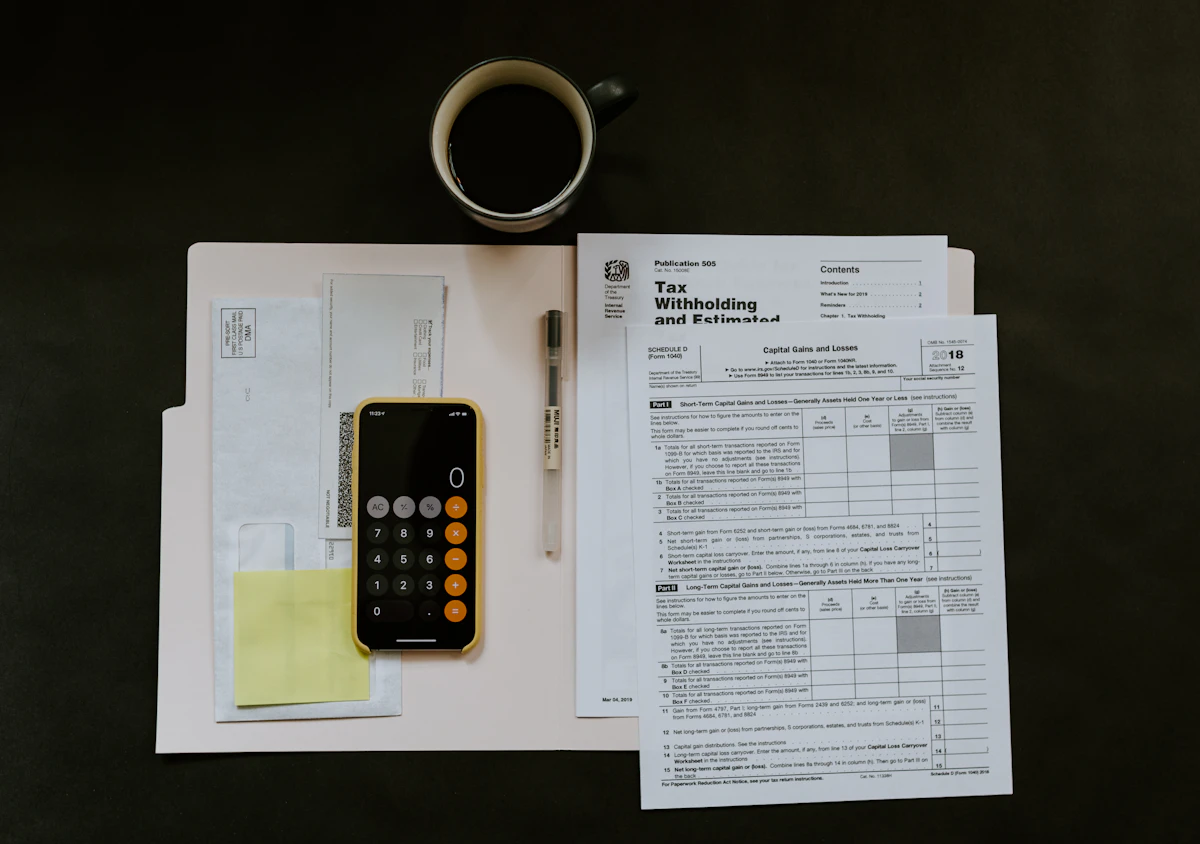

Making Tax Digital has ended that routine for a growing number of people. Making Tax Digital (MTD) is HMRC’s programme to move UK tax reporting online, and from 6 April 2026 it became mandatory for many sole traders and landlords under Income Tax. Instead of one annual push, the law now expects digital records kept throughout the year and a short update sent to HMRC every quarter. This article explains who is affected, what it means for your bookkeeping and how to make the switch without the stress.
Who Making Tax Digital applies to in 2026
MTD for Income Tax is being phased in according to qualifying income. Qualifying income is your total gross income from self employment and property before expenses, so it is your turnover, not your profit. A plumber who turns over £55,000 but makes a profit of £30,000 is still in scope.
From 6 April 2026, sole traders and landlords with qualifying income over £50,000 must follow MTD. The threshold is planned to fall to £30,000 from April 2027 and to £20,000 from April 2028, so most self employed people will be brought in over the next few years. HMRC uses the income on your earlier Self Assessment returns to decide when you join.
Limited companies are not covered by MTD for Income Tax, and general partnerships have not yet been brought in. VAT registered businesses of every type have already been following Making Tax Digital for VAT since 2022.
What actually changes in your bookkeeping
The biggest change is not the software. It is the timing. Under MTD, your records need to be up to date every quarter, because HMRC expects a summary of your income and expenses four times a year. The shoebox approach simply does not work anymore.
Each transaction must be recorded digitally, with its date, its amount and its category. Income and costs are grouped into HMRC’s standard categories, and self employment is kept separate from each type of property income. Many business owners find it easiest to update their records weekly, which turns a dreaded annual job into a few minutes of routine.
There is also a rule about how data moves. When figures pass from one piece of software to another, they must travel through a digital link, such as an import, an export or a direct connection. Retyping numbers by hand or copying and pasting between programs breaks the rules. Spreadsheets are still allowed, but they must connect to HMRC through bridging software that submits the figures digitally.

The new quarterly rhythm
For the standard tax quarters, updates are due by 7 August, 7 November, 7 February and 7 May. Businesses can choose to use calendar quarters instead if that suits them better.
After the tax year ends, you submit a final declaration, which replaces the old Self Assessment tax return. It is due by 31 January following the end of the tax year, the same date many people already know. Your tax payment dates do not change either. What changes is that the work is spread across the year, so January becomes a confirmation rather than a scramble.
Choosing the right software
To comply, you need software that appears on HMRC’s list of products compatible with Making Tax Digital for Income Tax. Well known cloud accounting options include FreeAgent, Xero, QuickBooks and Sage. FreeAgent is a popular choice for sole traders because it connects directly to business bank accounts, suggests HMRC categories for each transaction and submits quarterly updates straight to HMRC.
The best software is the one you will actually use. A tool that pulls in bank transactions automatically and lets you snap receipts on your phone will make the quarterly rhythm far easier to keep.

Making the switch step by step
Moving to MTD is easier when you take it in order. Start by checking your qualifying income on your latest Self Assessment return. If you are in scope, choose compatible software and connect your business bank account, opening a separate business account first if you do not already have one. Bring your opening balances and the current year’s transactions into the software, then sign up for Making Tax Digital for Income Tax through GOV.UK. Finally, set yourself a regular bookkeeping slot and put the four quarterly deadlines in your diary.
What happens if you fall behind
MTD for Income Tax uses a points based penalty system for late submissions. Each late quarterly update earns a point, and once you reach four points a £200 penalty is charged. Points expire after a period of good compliance, so one slip does not follow you forever. Late payment of tax is treated separately, with its own penalties and interest.

How RnD Accountants can help
RnD Accountants is a firm of licensed CIMA Chartered Management Accountants based in London, supporting UK sole traders, landlords and small businesses since 2013. We set up MTD compatible software including FreeAgent, keep your bookkeeping up to date, submit your quarterly updates and file your final declaration, so Making Tax Digital becomes part of the background rather than another worry.
Book a free initial consultation and we will check whether MTD applies to you and get your records ready.
Get Your Bookkeeping Ready for Making Tax Digital
RnD Accountants is a firm of licensed CIMA Chartered Management Accountants in London. Book a free initial consultation and we will check whether MTD applies to you and get your records ready.
Book a Free Consultation→Key Takeaways
- ✓From 6 April 2026, MTD for Income Tax is mandatory for sole traders and landlords with gross qualifying turnover over £50,000.
- ✓The threshold is planned to fall to £30,000 from April 2027 and £20,000 from April 2028.
- ✓Transactions must be recorded digitally with mandatory digital links—retyping or copy-pasting numbers is strictly prohibited.
- ✓Updates are submitted quarterly (7 Aug, 7 Nov, 7 Feb, 7 May), followed by a final declaration by 31 January.
- ✓Late quarterly submissions use a points-based penalty system, triggering a £200 fine upon reaching four points.
Common Questions
Can my accountant submit Making Tax Digital updates for me?
Yes. An authorised agent such as RnD Accountants can submit your quarterly updates and final declaration on your behalf.
Can I be exempt from Making Tax Digital?
In some cases, yes. You can apply for an exemption if you are digitally excluded, for example because of age, disability, location or religious beliefs.